

Introduction
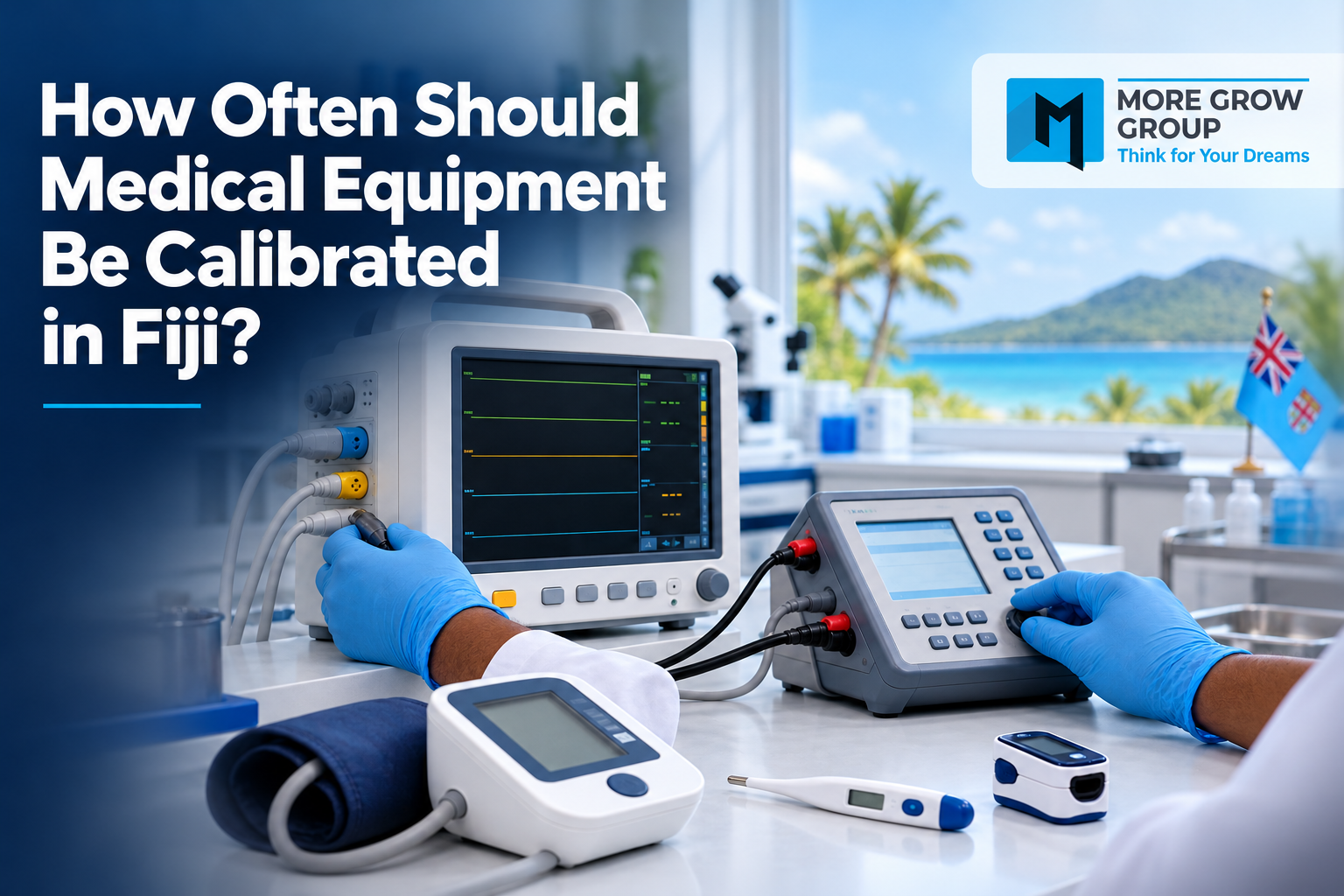
Accurate medical equipment plays an important role in delivering safe and reliable healthcare services. Hospitals, clinics, laboratories, and other healthcare facilities in Fiji rely on equipment such as blood pressure monitors, ECG machines, pulse oximeters, thermometers, weighing scales, and other medical devices for accurate measurements.
Over time, medical equipment can experience measurement deviations due to regular use, environmental conditions, wear and tear, or other factors. Regular calibration helps identify these variations and ensures that equipment continues to provide reliable measurement results.
For healthcare facilities, understanding the importance of medical equipment calibration in Fiji can help support equipment reliability, patient safety, quality management, and compliance with applicable requirements.
1. What Is Medical Equipment Calibration?
Medical equipment calibration is the process of checking the measurement performance of an instrument against a recognized reference standard.
Calibration helps determine whether equipment is operating within an acceptable level of accuracy. Where necessary, adjustments or corrective actions can be taken to bring the equipment back within its required performance range.
Examples of equipment that may require calibration include:
- Blood pressure monitors
- ECG machines
- Pulse oximeters
- Thermometers
- Weighing scales
- Medical testing instruments
- Temperature monitoring equipment
- Biomedical equipment
Regular calibration provides healthcare organizations with greater confidence in the measurements produced by their equipment.
2. Why Is Calibration Important for Healthcare Facilities?
Healthcare professionals depend on accurate measurements when monitoring patients, conducting tests, and making clinical decisions.
If equipment produces inaccurate measurements, it may affect the reliability of the information available to healthcare professionals.
Regular calibration can help healthcare facilities:
- Maintain measurement accuracy
- Improve confidence in equipment performance
- Identify measurement deviations
- Support equipment quality management
- Reduce the risk of unreliable measurements
- Maintain appropriate equipment records
- Support regulatory and quality requirements
3. Medical Equipment That Requires Regular Calibration
Different types of medical and healthcare equipment can require calibration depending on their application, manufacturer requirements, usage, and applicable standards.
Blood Pressure Monitors
Blood pressure monitors are widely used in hospitals, clinics, and healthcare facilities. Regular calibration helps ensure that blood pressure measurements remain reliable.
ECG Equipment
ECG machines are used to record the electrical activity of the heart. Accurate equipment performance is important for obtaining reliable readings.
Pulse Oximeters
Pulse oximeters measure oxygen saturation and pulse rate. Calibration and performance checks can help ensure that the equipment continues to provide dependable measurements.
Thermometers
Thermometers are used in healthcare facilities for monitoring patient temperatures and in various temperature-controlled environments. Regular calibration helps maintain measurement accuracy.
Weighing Scales
Medical weighing scales are used for measuring patient weight, which can be relevant to healthcare assessments and treatment decisions. Regular calibration helps maintain accurate weight measurements.
4. How Often Should Medical Equipment Be Calibrated?
There is no single calibration interval that applies to every type of medical equipment.
The appropriate calibration frequency can depend on factors such as:
- Manufacturer recommendations
- Equipment type
- Frequency of use
- Operating environment
- Previous calibration results
- Equipment history
- Applicable quality requirements
Healthcare facilities should establish suitable calibration schedules based on the equipment and its intended application.
5. Benefits of Professional Calibration Services
Using a professional calibration service can help healthcare organizations maintain reliable measurement equipment.
A professional calibration service may provide:
Accurate Measurement Verification
Equipment can be tested against appropriate reference standards to determine its measurement performance.
Traceability
Calibration using suitable reference standards can help establish measurement traceability and provide greater confidence in calibration results.
Calibration Documentation
Calibration records and certificates provide documented evidence that equipment has been tested.
Early Identification of Problems
Regular calibration can help identify equipment that is showing measurement deviations or performance issues.
Improved Equipment Management
Maintaining calibration records can help organizations track equipment performance and plan future calibration activities.
6. Calibration and Equipment Maintenance
Calibration and maintenance are related but they are not the same activity.
Calibration primarily determines how accurately an instrument measures against a reference standard.
Maintenance focuses on keeping equipment operational through activities such as inspection, servicing, cleaning, repair, or replacement of components.
Healthcare facilities may require both calibration and maintenance programs to keep their equipment operating effectively.
7. Why Calibration Matters for Healthcare Facilities in Fiji
Regular medical equipment calibration is an important part of effective equipment management for healthcare facilities in Fiji. Equipment such as blood pressure monitors, ECG machines, pulse oximeters, thermometers, and weighing scales can require periodic testing and calibration to maintain reliable measurement performance.
By establishing appropriate calibration schedules, maintaining accurate records, using traceable reference standards, and working with experienced calibration professionals, healthcare organizations can improve confidence in their measurement equipment.
For healthcare facilities looking for medical equipment calibration services in Fiji, More Grow Group provides calibration and testing services for a range of medical, biomedical, electrical, and other measurement equipment.
8. Choosing a Calibration Service Provider
Healthcare facilities should consider several factors when selecting a calibration service provider.
These may include:
- Technical expertise
- Appropriate calibration equipment
- Qualified and trained personnel
- Measurement traceability
- Suitable calibration procedures
- Calibration documentation
- Experience with medical and biomedical equipment
- Relevant quality and accreditation requirements
Selecting an experienced provider can help organizations establish a more reliable calibration program.
Maintaining a Regular Calibration Program
Calibration should not be treated as a one-time activity.
Healthcare facilities should maintain a structured calibration program that includes:
- Maintaining an equipment register
- Establishing calibration schedules
- Keeping calibration certificates and records
- Monitoring calibration due dates
- Reviewing calibration results
- Identifying equipment that requires corrective action
- Following manufacturer recommendations
- Periodically reviewing the calibration program
A well-maintained calibration program can support better equipment management and measurement confidence.
Conclusion
Regular medical equipment calibration is an important part of effective equipment management for healthcare facilities in Fiji. Equipment such as blood pressure monitors, ECG machines, pulse oximeters, thermometers, and weighing scales can require periodic testing and calibration to maintain reliable measurement performance.
By establishing appropriate calibration schedules, maintaining accurate records, using traceable reference standards, and working with experienced calibration professionals, healthcare organizations can improve confidence in their measurement equipment.
For healthcare facilities looking for medical equipment calibration services in Fiji, More Grow Group provides calibration and testing services for a range of medical, biomedical, electrical, and other measurement equipment.




Leave A Comment